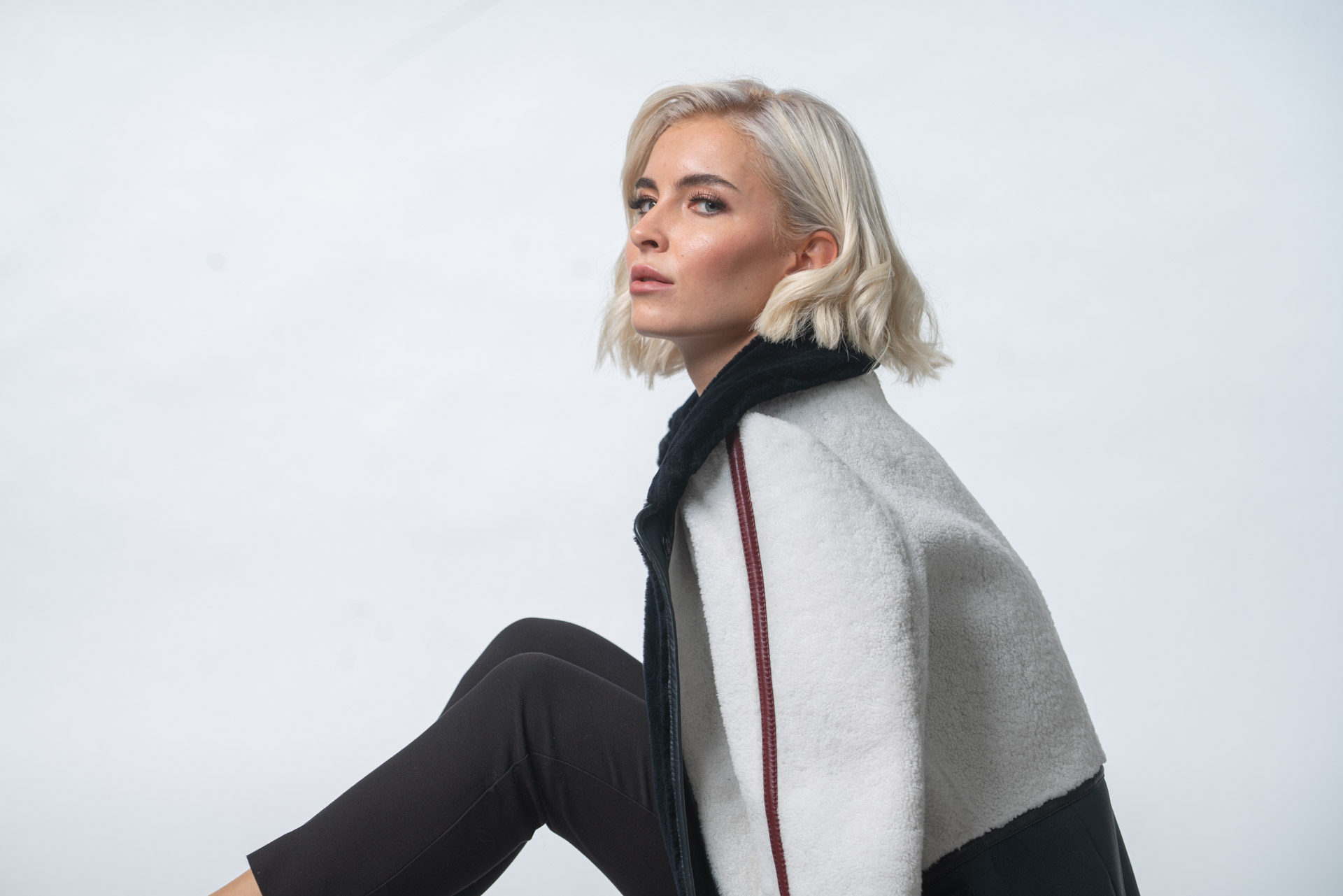
Many people wonder if there are differences between sheepskin and shearling jackets or if they are the same thing. Actually, there are! We usually use these terms to describe both a sheepskin or a shearling coat or jacket. A shearling coat is made by tanning and conditioning the skin of a shearling lamb with the fur still intact so it is considered a fur product because the fur is still attached to the hide of the animal.

However, a shearling is only the hide of a lamb and sheepskin is the hide of a sheep. Wool is on one side and leather hide is on the other. Most times the hide side is exposed and the wool side is on the interior to keep the warmth. Sheepskin jackets are less soft than shearling and have a coarser texture. Shearling coats, on the other hand, are not only exceedingly soft but also incredibly warm, making them a fantastic investment for those who live in really cold locations.
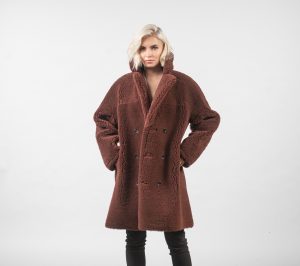
Although sheepskin jackets are water-resistant, you shouldn’t wear them in the pouring rain. You can, however, wear them in light rain or on a snowy day and don’t have to worry about if that will harm your jacket. Your coat will remain in perfect condition and you won’t feel cold because they provide extreme warmth on cold days. If your coat gets wet, just shake off the water and let it dry in an open, well-ventilated space. When the coat is totally dry, use a lint brush to remove the water spots.
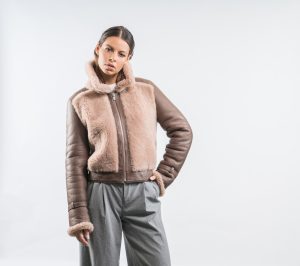
Sheepskin or shearling jackets are an alternative choice if you are not willing to buy a real fur jacket. Shearling (and sheepskin) jackets are more durable and tough than any other fabric or material. In terms of weight, they’re lighter than fur. Shearling coats are not difficult to maintain.
Final Thoughts on Shearling vs. Sheepskin
Both shearling and sheepskin bring their own unique character to winter wardrobes, offering warmth, durability, and timeless appeal in different ways. While shearling stands out for its exceptional softness and insulating power, sheepskin is valued for its strength and everyday practicality. The right choice ultimately depends on your lifestyle, climate, and personal style. For those exploring all their outerwear options, from refined shearling pieces to elevated real fur coats, investing in quality materials ensures comfort, longevity, and effortless elegance season after season.
See more about sheepskin jackets https://www.hauteacorn.com/everything-you-need-to-know-about-sheepskin-jackets/
FAQS About the Difference Between Shearling and Sheepskin
1. Which material is better for everyday wear: shearling or sheepskin?
Shearling is generally better for everyday use due to its softness and comfort, while sheepskin is more rugged and suitable for harsher conditions or frequent outdoor wear.
2. Do shearling and sheepskin jackets age differently over time?
Yes. Sheepskin tends to develop a more rugged, worn-in look over time, while shearling usually retains a softer, more refined appearance if properly maintained.
3. Are shearling and sheepskin jackets suitable for people with sensitive skin?
Shearling is usually the better option for sensitive skin because of its finer wool texture, which feels softer and less abrasive than standard sheepskin.
4. Is there a significant price difference between shearling and sheepskin jackets?
Typically yes. Shearling jackets are usually more expensive because they come from younger lambs, require more delicate processing, and offer a more luxurious finish.
5. Can shearling or sheepskin jackets be tailored or altered after purchase?
Minor alterations like sleeve length or slight waist adjustments are possible, but major resizing is difficult and costly due to the thickness and structure of the material.
6. Which material is better for travel and frequent packing?
Shearling is generally easier for travel because it is lighter, more flexible, and less bulky than sheepskin, making it more practical for packing and transport.
7. How can I tell if a jacket labeled “shearling” is genuinely made from shearling lamb?
You should check product specifications, texture (very fine and dense wool), leather flexibility, and retailer authenticity. Certified sellers and detailed material descriptions are key indicators.