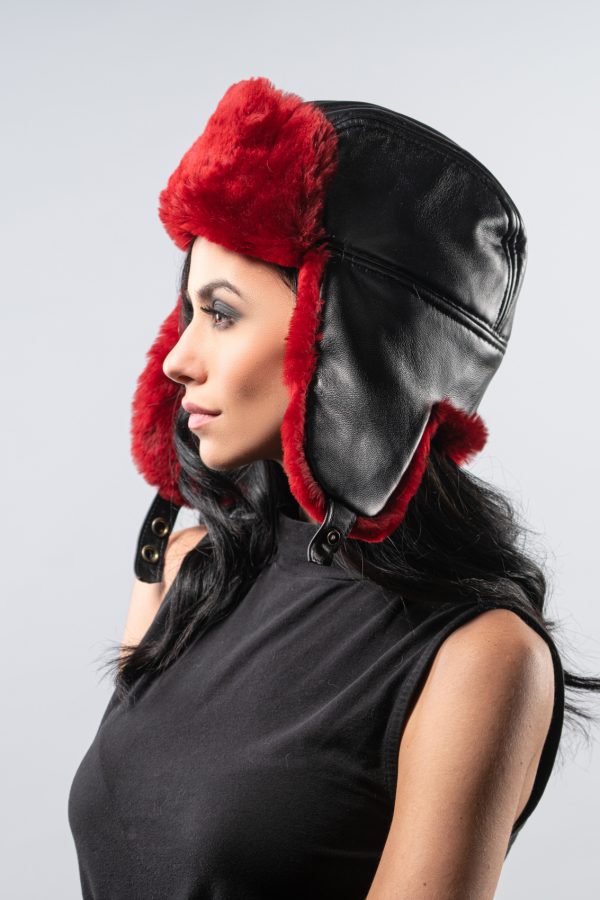
Fur Russian Hats: Iconic Warmth, Modern Luxury
Fur Russian hats are among the most iconic winter accessories ever created, combining extreme-weather performance with unmistakable cultural presence.
Traditionally designed for harsh climates, these hats have evolved into refined fashion statements that balance heritage and modern design.
Defined by their structured shapes and signature ear flaps, fur Russian hats offer exceptional protection against wind and cold while elevating winter outfits with confidence.
At Haute Acorn, these classic silhouettes are reimagined through sustainable craftsmanship, certified sourcing, and clean, contemporary aesthetics — delivering premium warmth with real cold-weather credibility.
Fur Types & Warmth Tiers From Everyday Cold to Extreme Arctic
Not all fur hats offer the same level of warmth. Understanding fur types helps match performance, comfort, and investment to your climate and lifestyle.
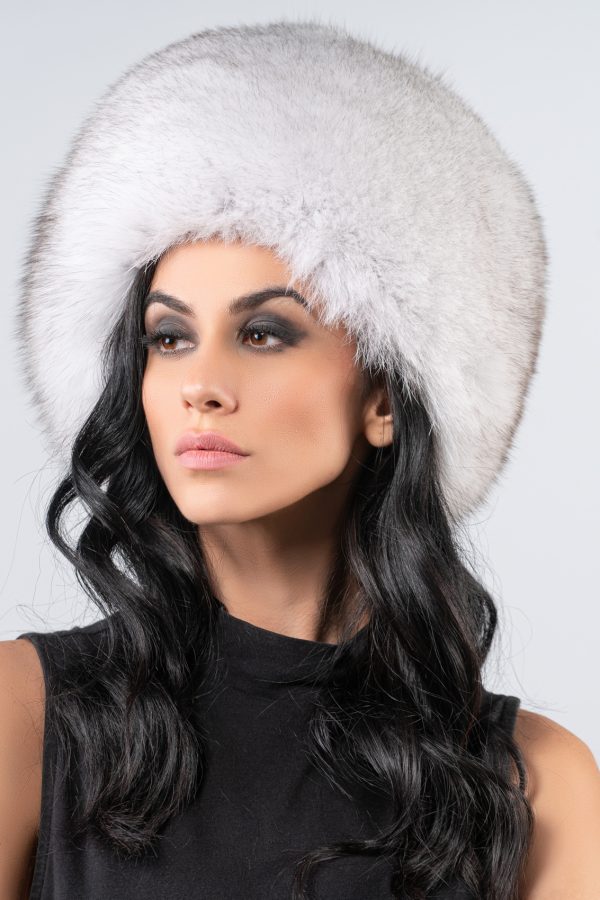
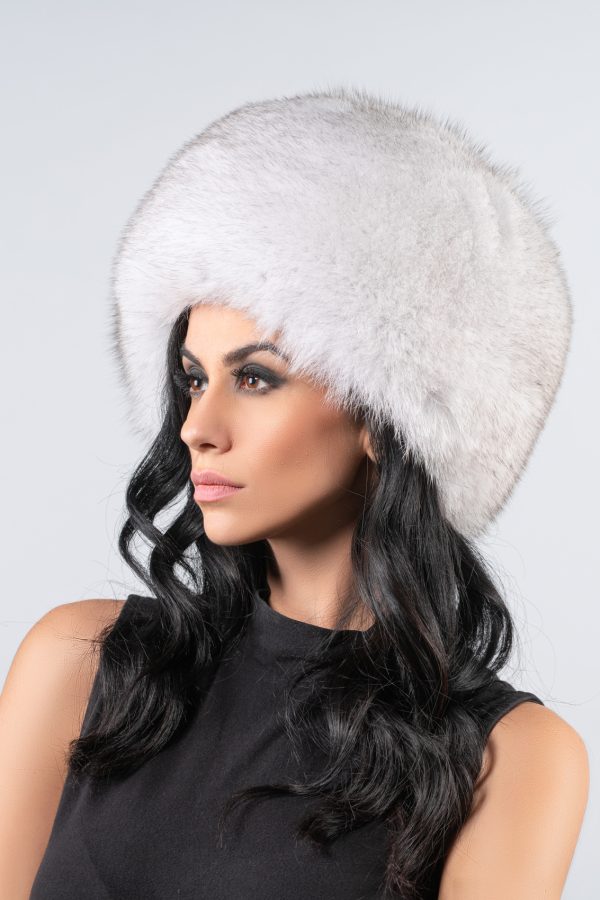
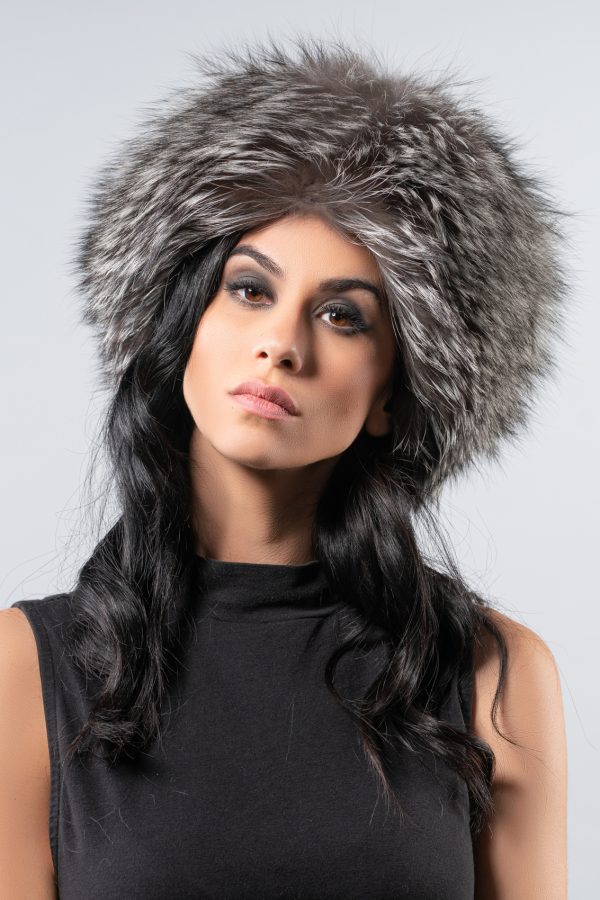
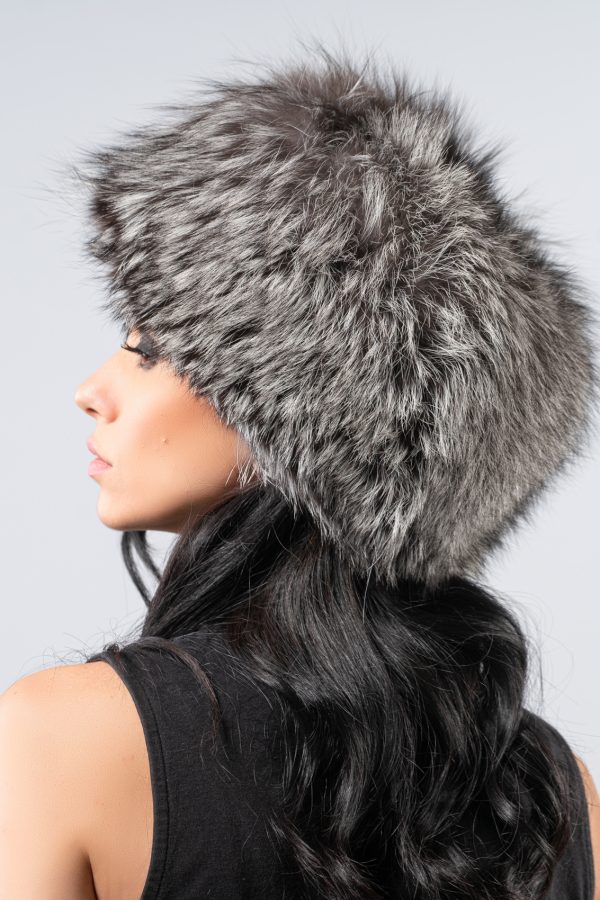
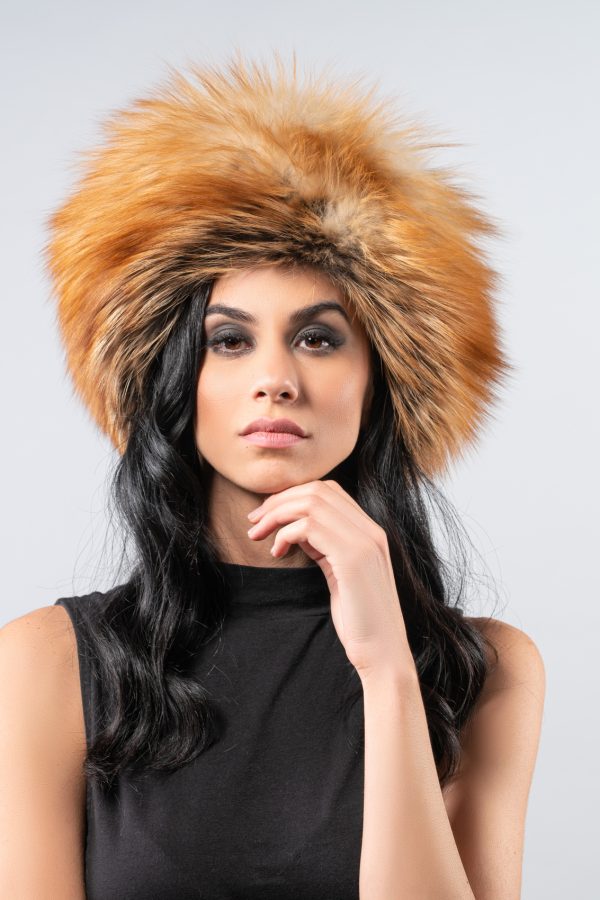
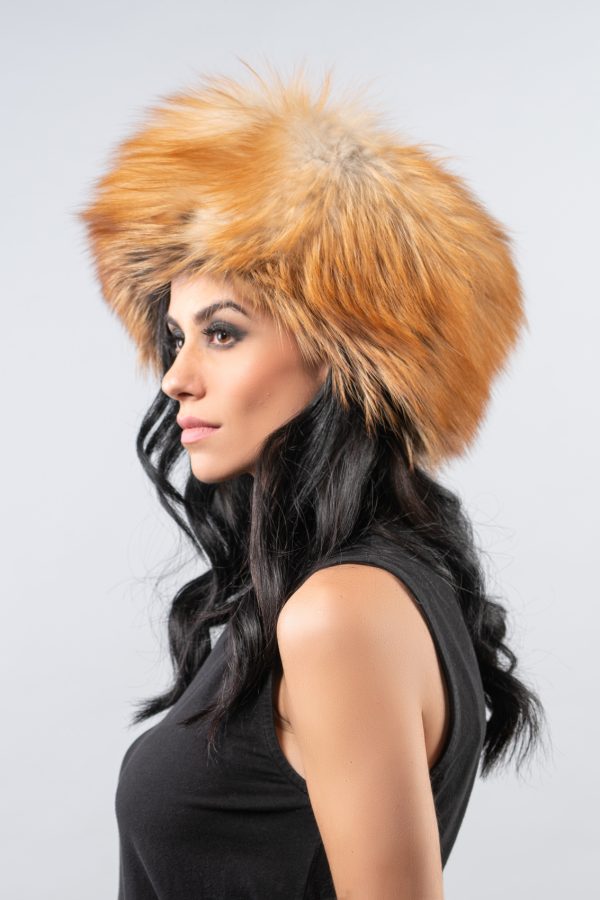
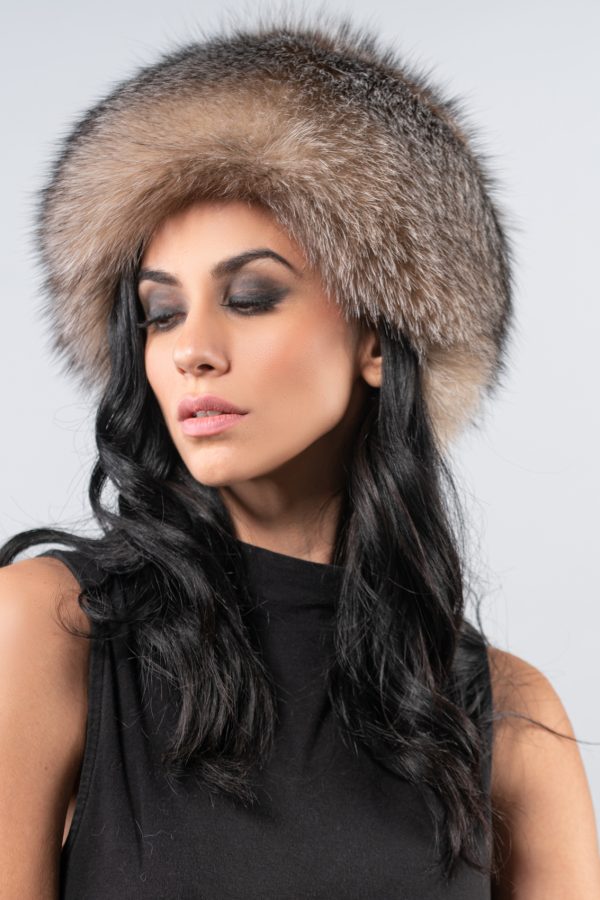
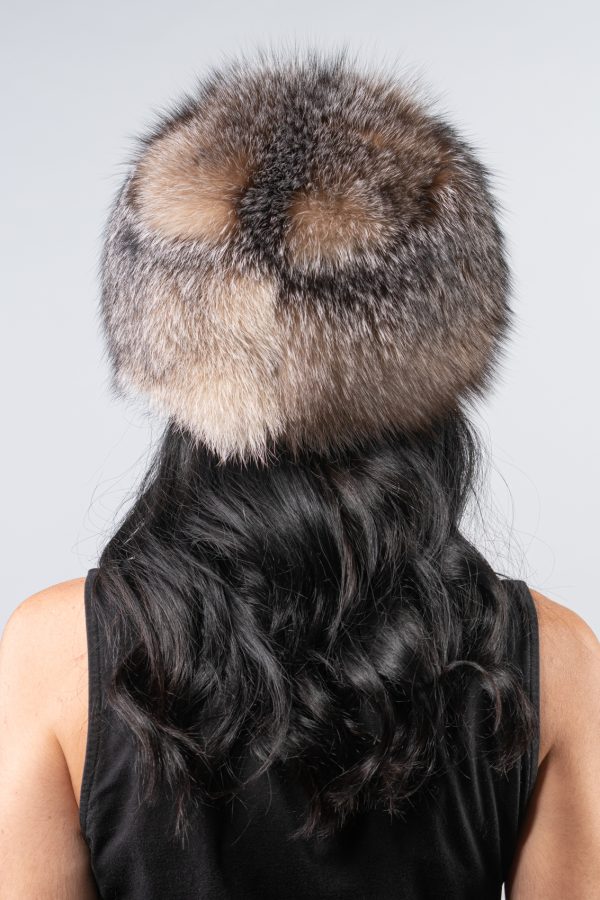
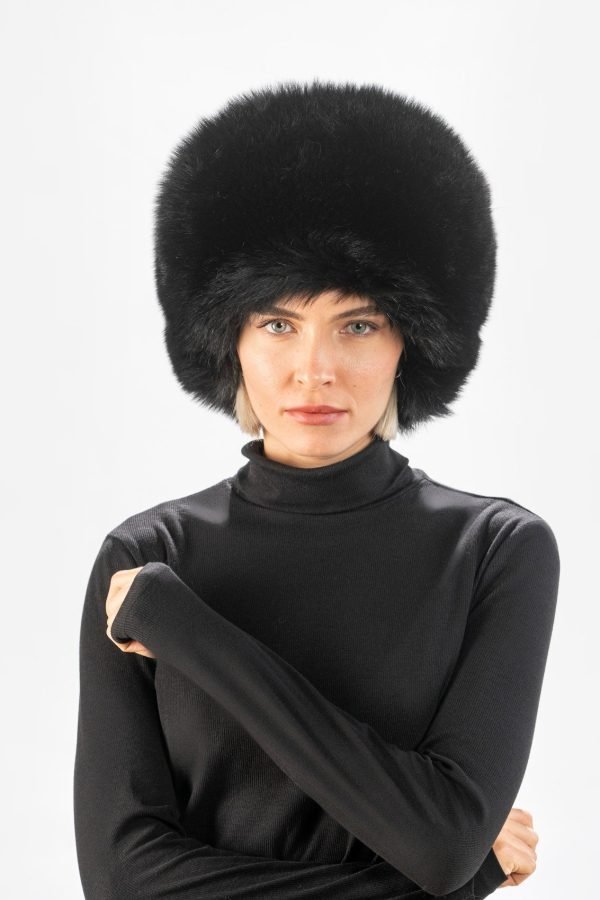
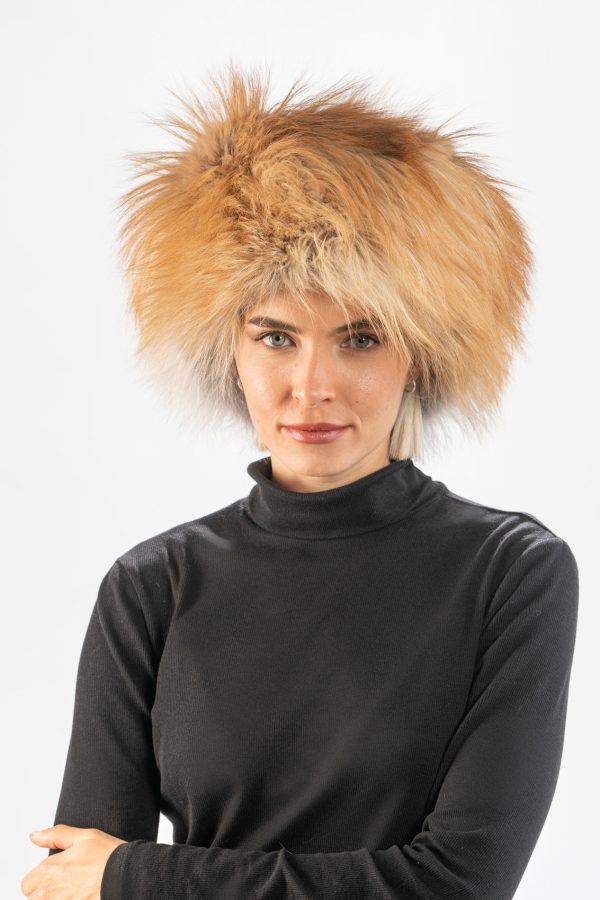
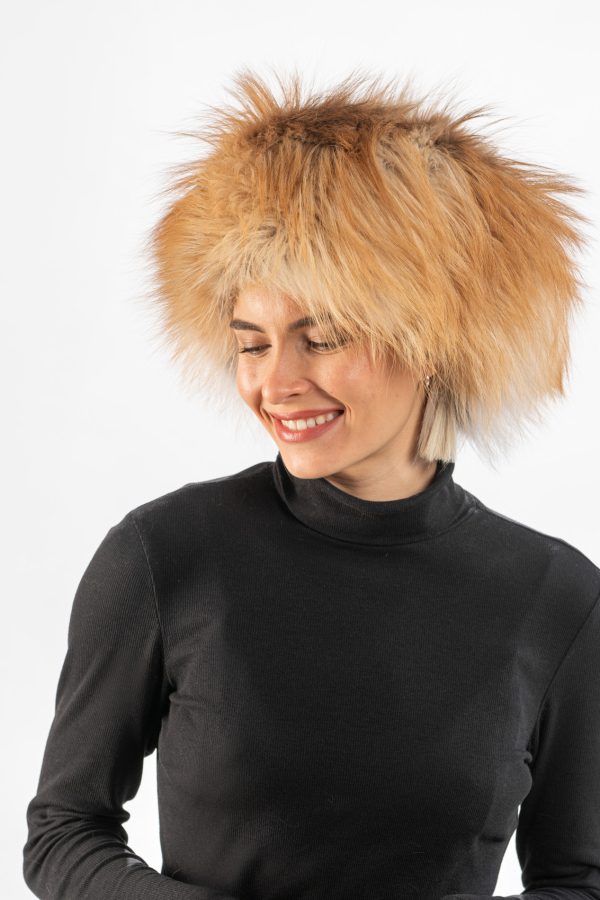
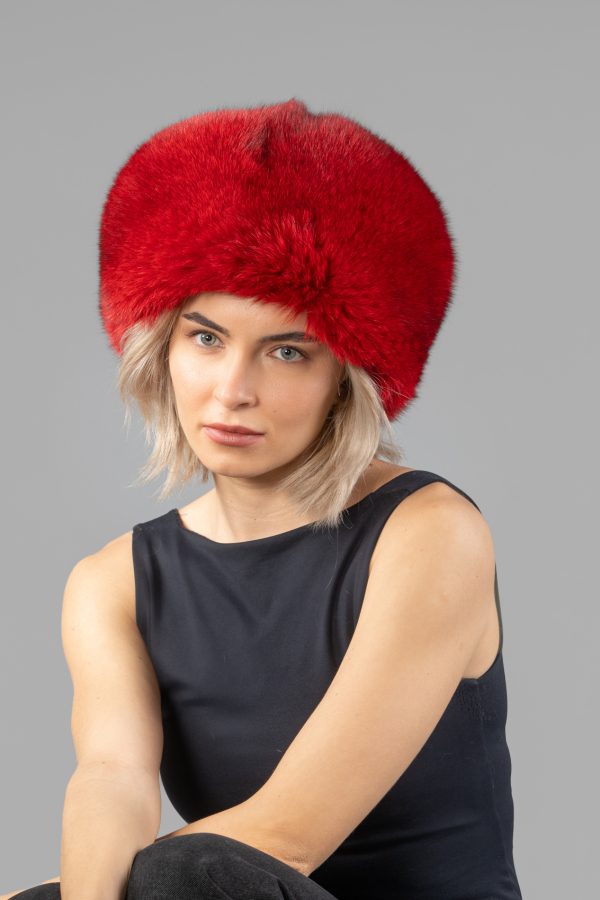
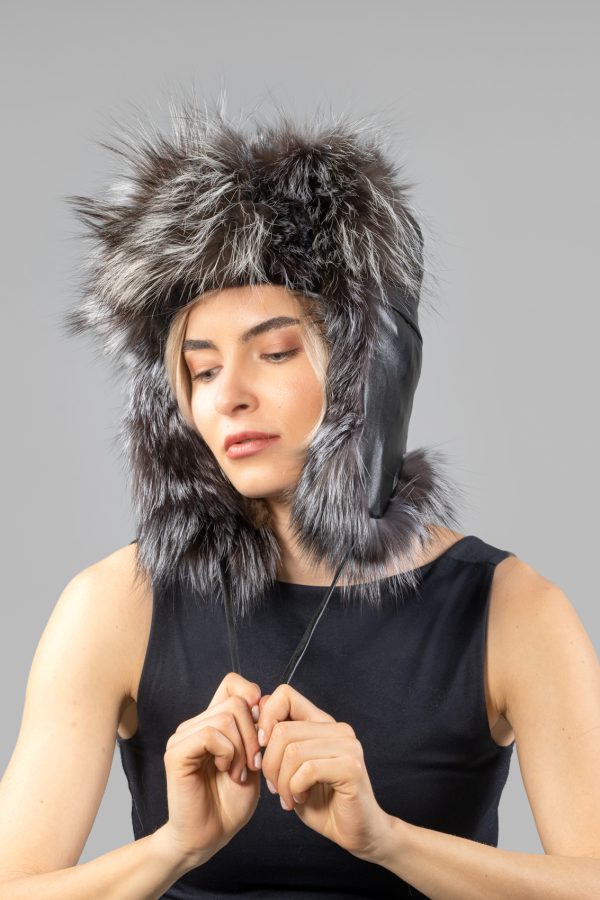
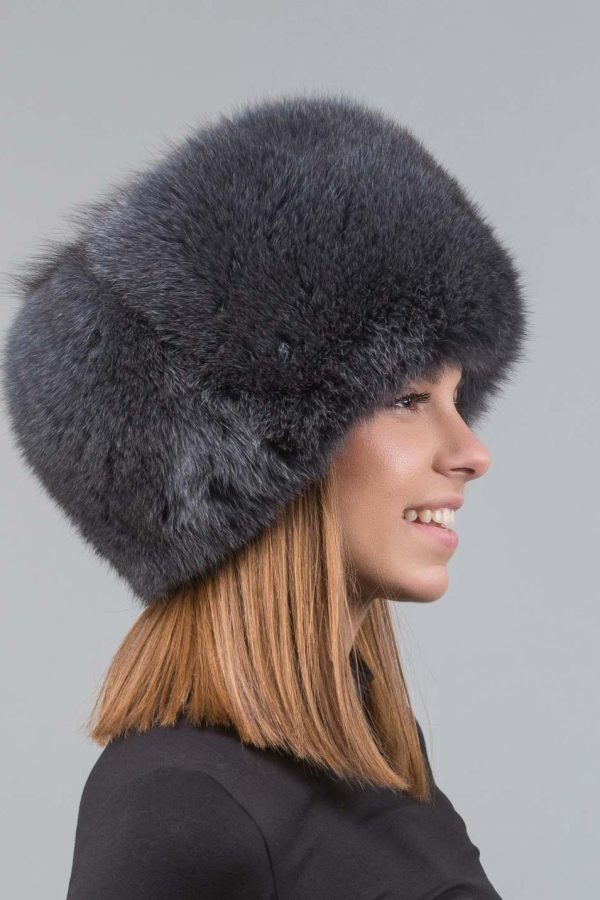
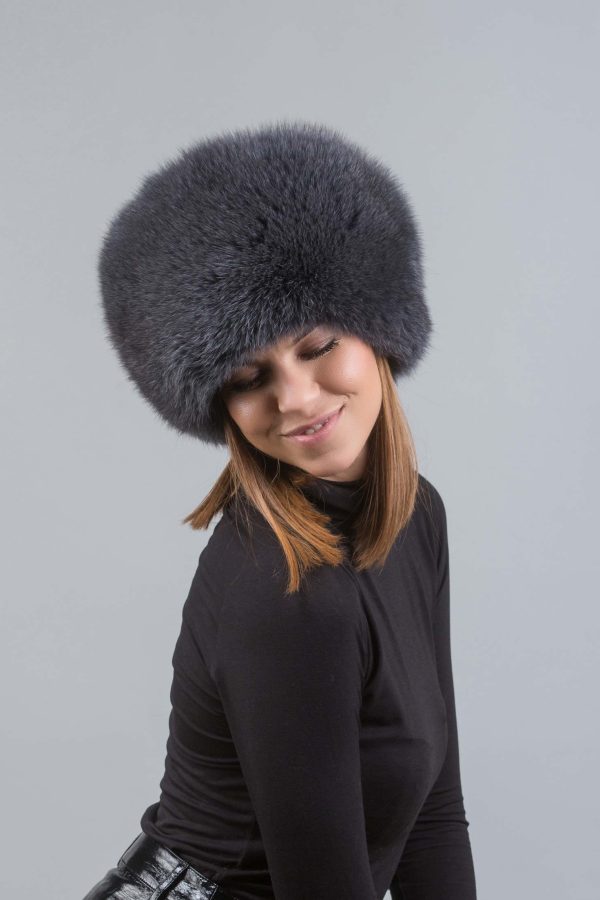
Fox fur ranks among the warmest materials available. With long, dense guard hairs and excellent wind resistance, fox fur is ideal for extreme cold and open, windy conditions. Arctic and blue fox varieties are particularly valued for insulation and visual volume.
Rabbit fur is softer, lighter, and more affordable, making it a reliable option for standard winter temperatures. While not designed for arctic exposure, rabbit fur provides consistent warmth and comfort for everyday urban wear.
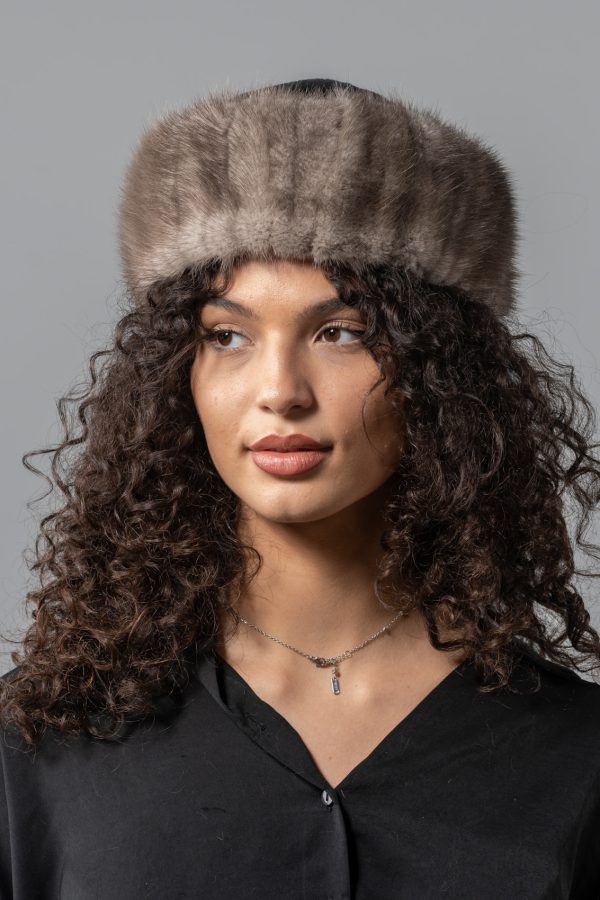
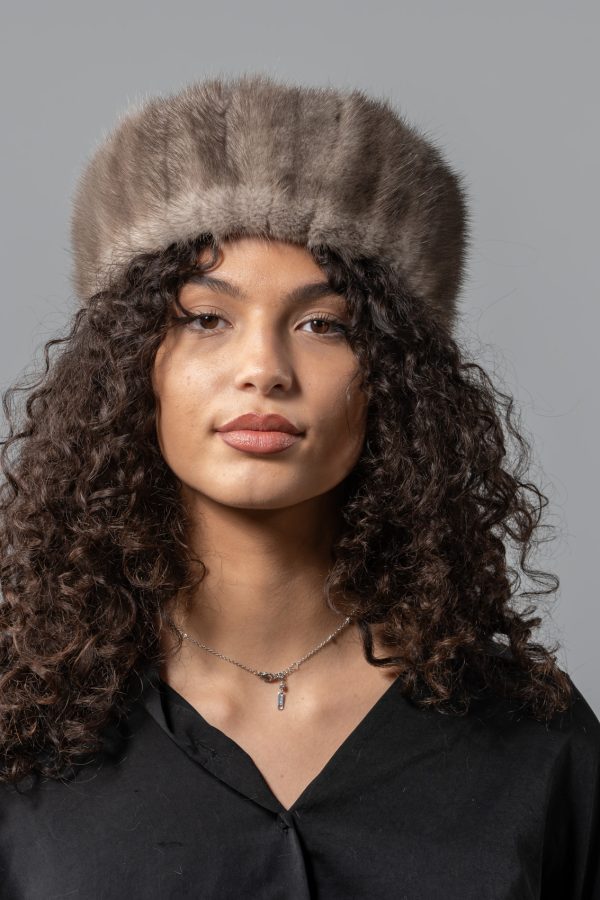
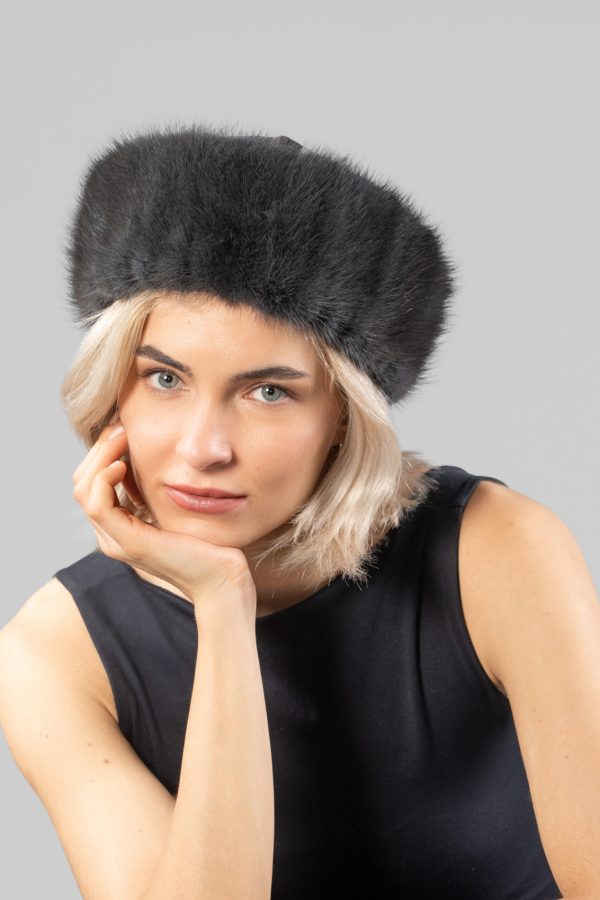
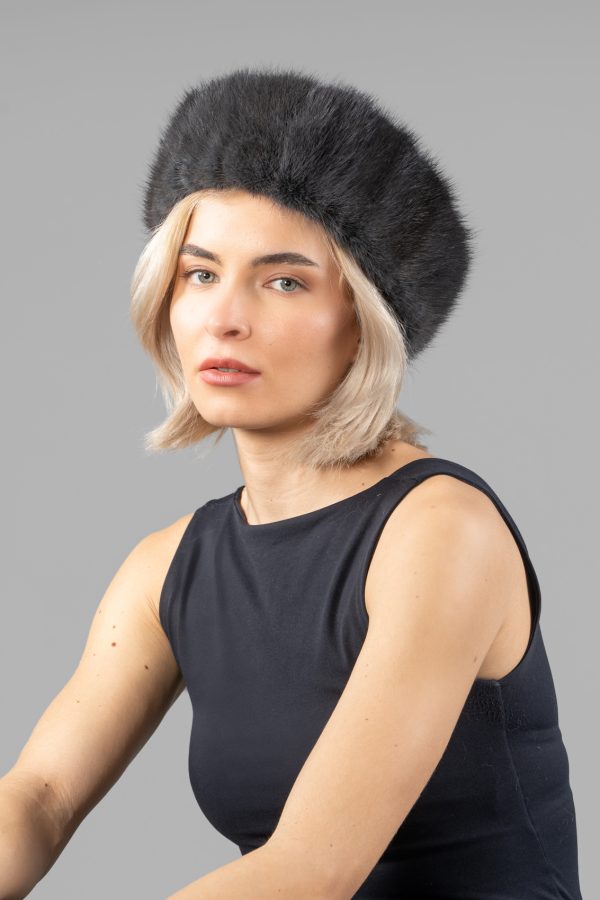
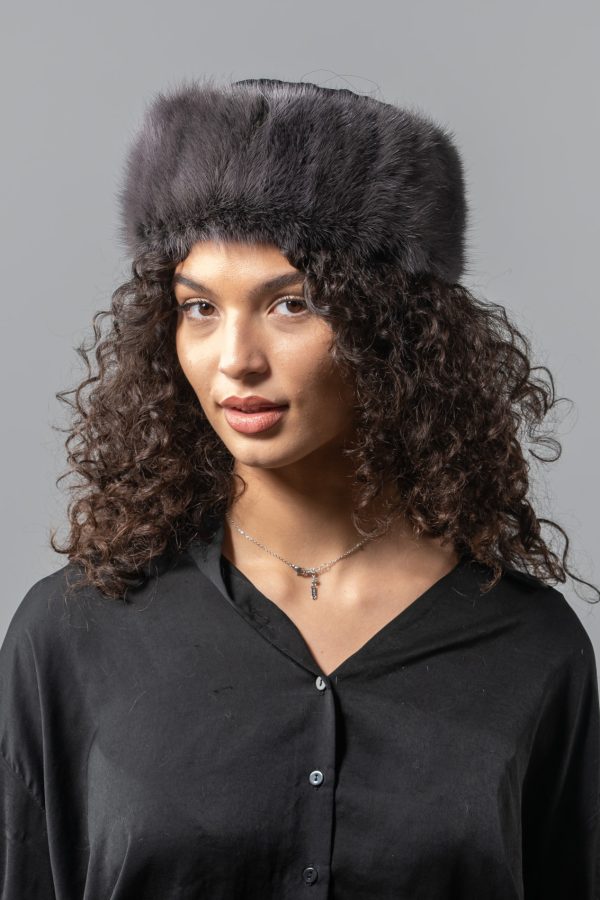
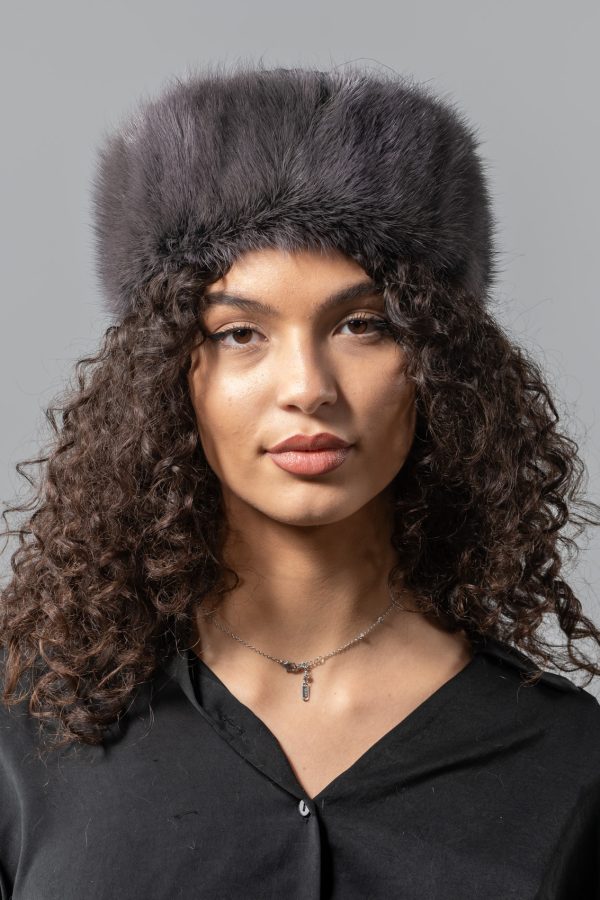
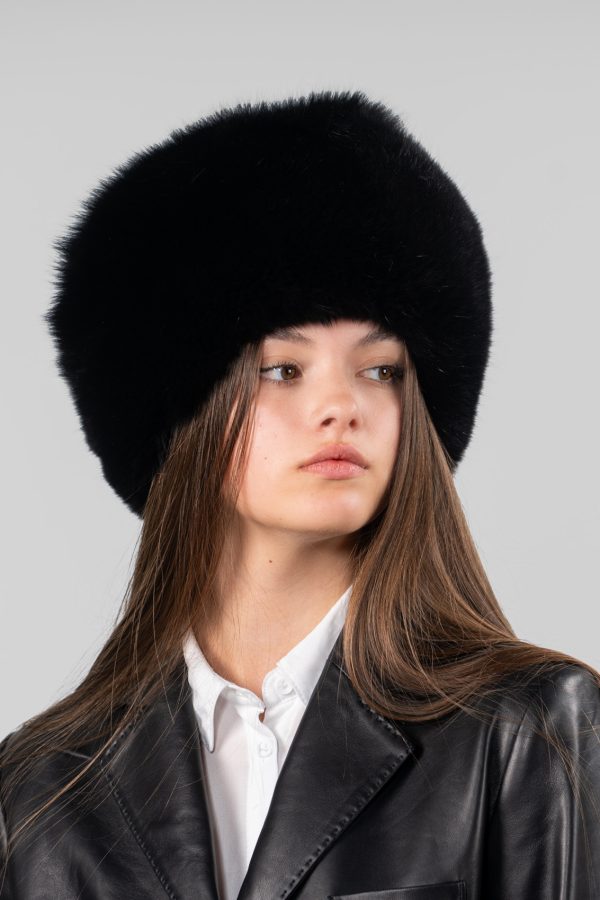
Mink fur combines high insulation with a sleek, luxurious sheen. Known for durability and long wear, mink ushankas have historically been worn in Arctic regions of Russia due to their ability to retain heat without bulk. Mink is often chosen by those seeking understated elegance with high performance.
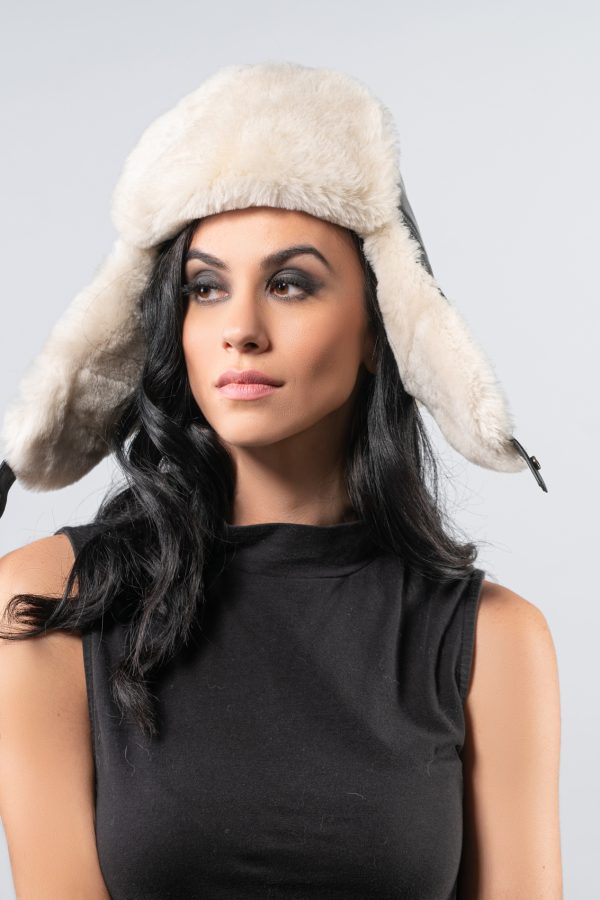
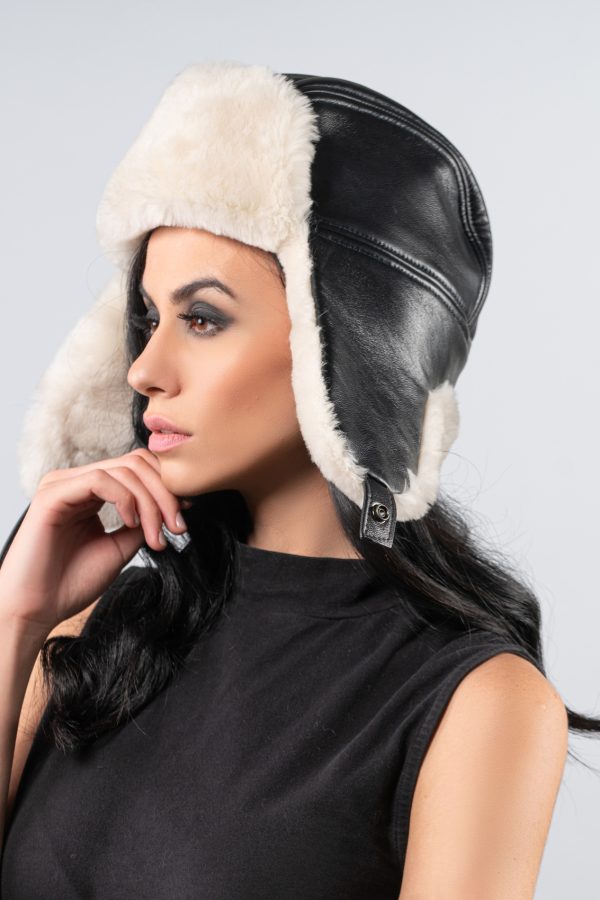
Shearling offers a different kind of protection. Its wool interior provides natural insulation while remaining breathable, and it performs well in wet snow or fluctuating temperatures. Shearling Russian hats are practical, versatile, and resilient.
Across all types, real fur excels in natural insulation and breathability, adapting to body temperature far more effectively than synthetic alternatives.
Iconic Russian Styles Ushanka, Cossack (Makhorka), Kubanka & Papakha
Russian fur hats are defined not just by warmth, but by silhouette and symbolism. Each style carries distinct cultural roots and aesthetic impact.
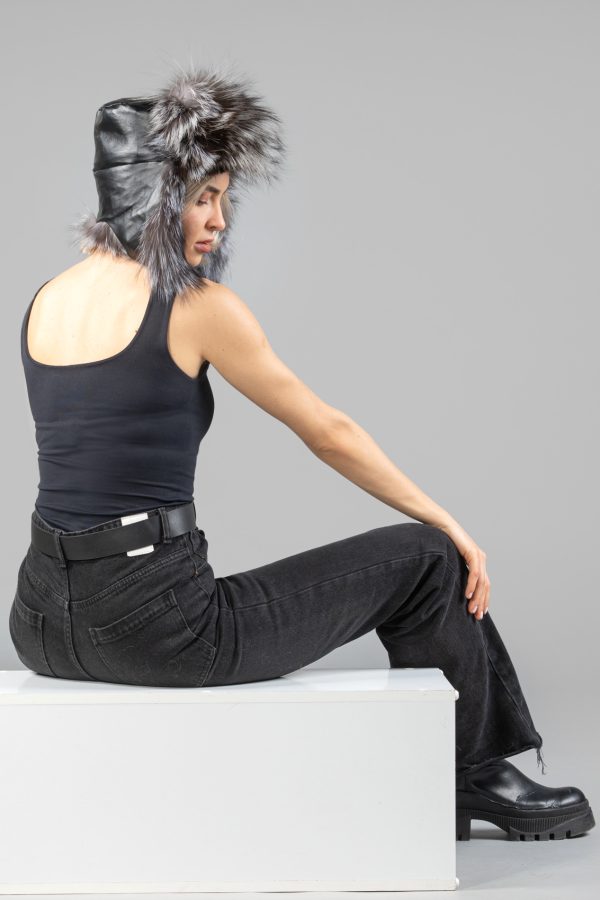
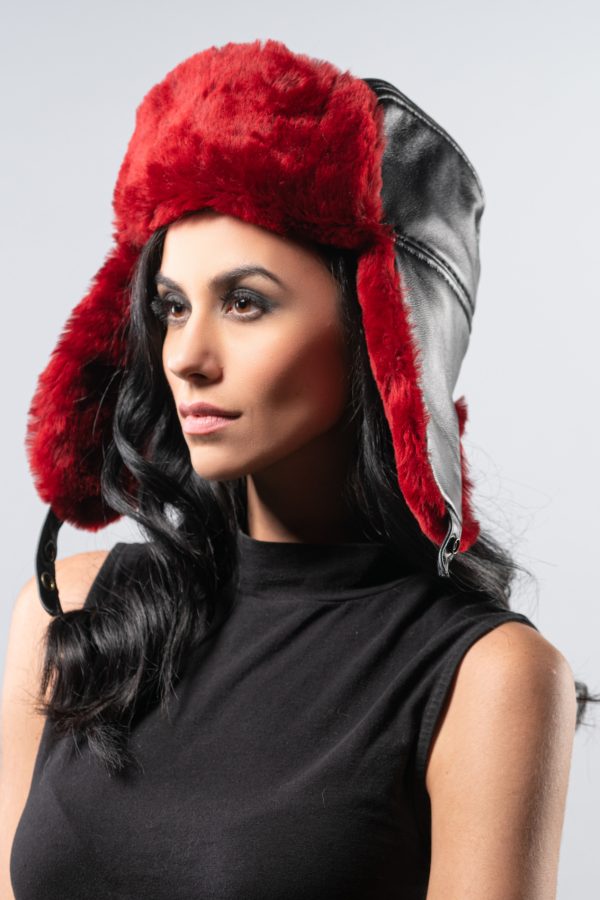
The ushanka is the most recognizable Russian fur hat. Originally developed for military use, it features modular ear flaps that can be tied under the chin for full protection or secured on top or at the back for visibility and movement. Today, the ushanka is both a global symbol of Russian winterwear and a modern fashion statement.
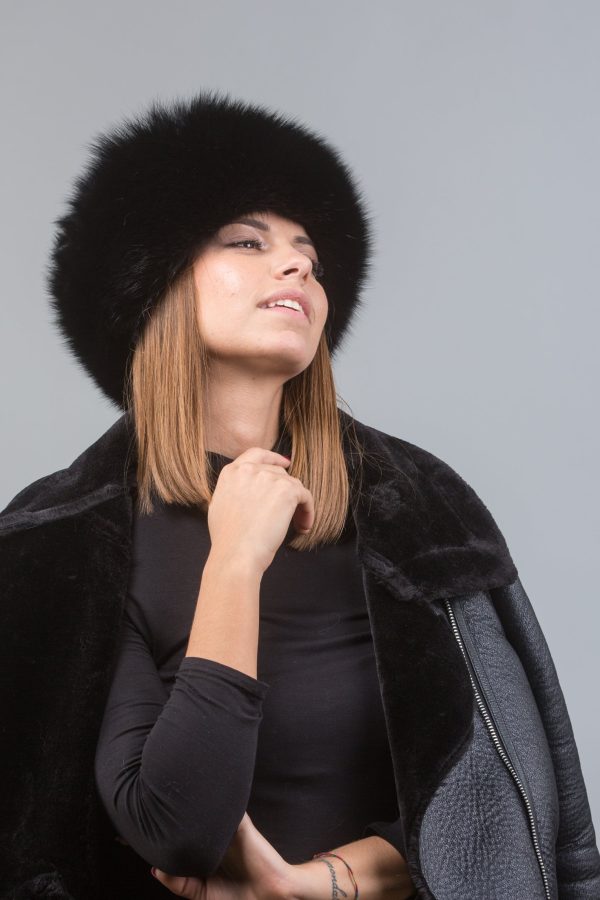
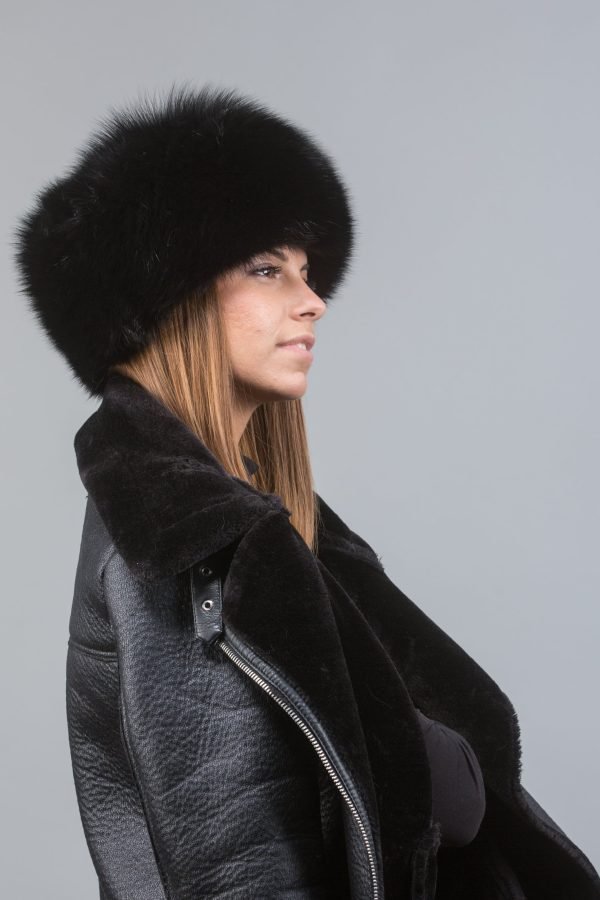
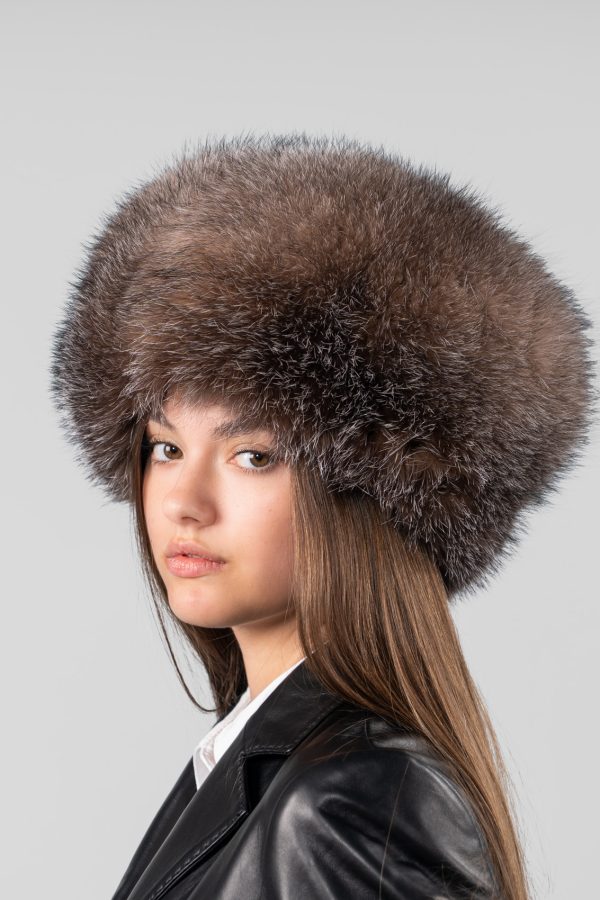
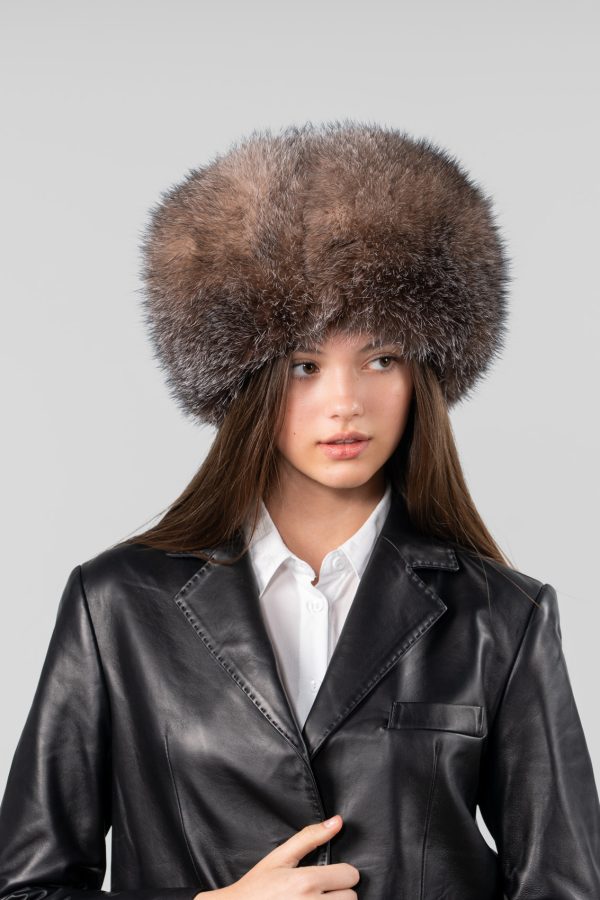
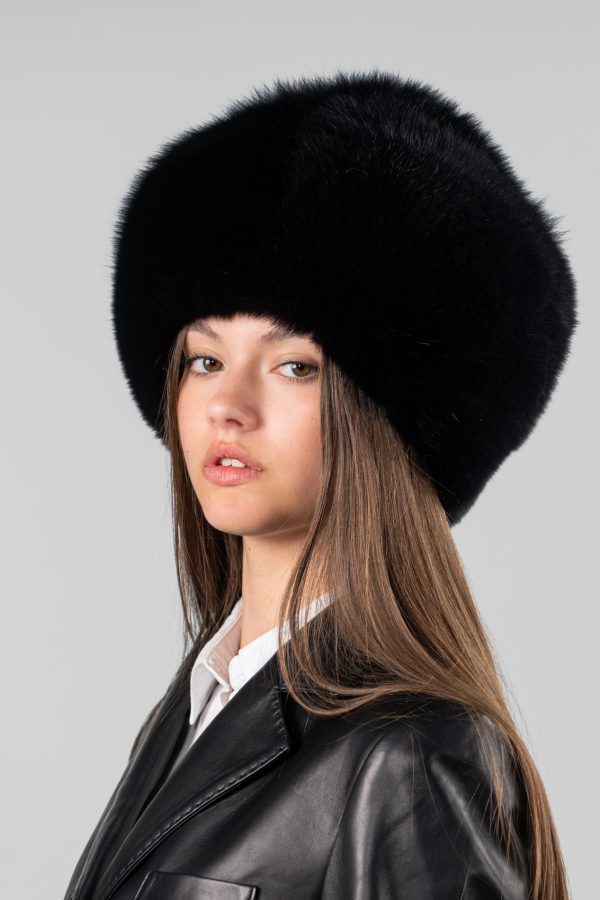
The Cossack hat, also known as the Makhorka, has a tall, cylindrical profile and a commanding presence. Traditionally worn by Cossack communities, it is often crafted entirely from fur for maximum visual impact. This style reads formal, heritage-rich, and bold.
The Kubanka is a shorter, brimless cylindrical hat that evolved as a feminine variation of the Cossack style. Historically ceremonial, it offers warmth while maintaining a refined, sculptural look that pairs well with tailored winter coats.
The Papakha holds deep cultural significance in the Caucasus, symbolizing honor, authority, and leadership. Typically tall and full-fur, it carries strong heritage symbolism and stands out as a statement piece.
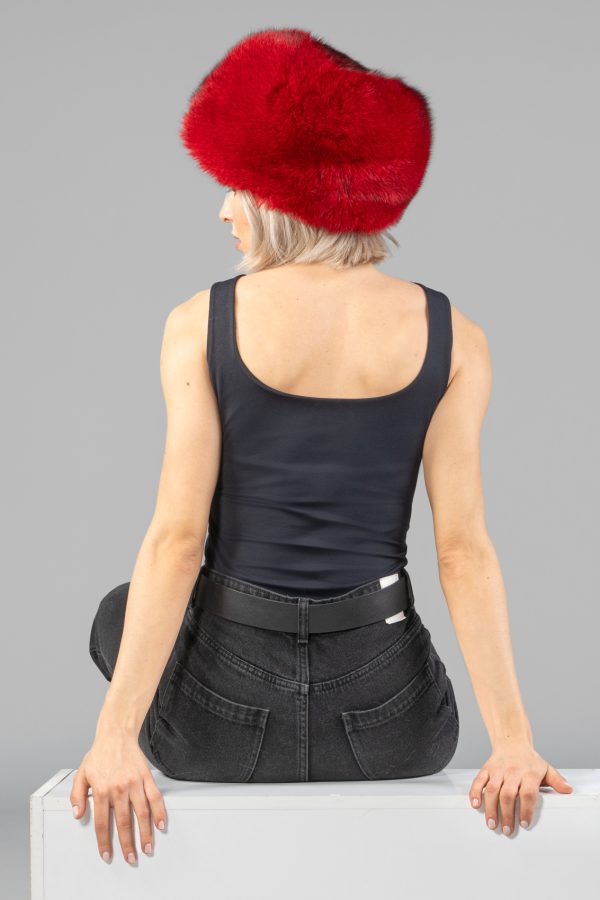
Across styles, full-fur constructions create a more striking fashion presence than leather-top combinations, appealing to women who want both authenticity and bold winter styling.
Ushanka vs. Trapper Hat, What’s the Real Difference?
Ushankas and trapper hats are often confused, but they differ in origin, structure, and overall aesthetic.
The ushanka originates from Russia and Eastern Europe, with military and uniform influences. It typically has a more structured crown, refined proportions, and a cleaner silhouette that reads formal or heritage-inspired.
The trapper hat, rooted in North American cold-weather gear, often features a wider body, flatter top, larger front brim, and extended ear flaps. Its design leans casual and functional, influenced by aviator and outdoor workwear styles.
Both hats allow ear flaps to be tied up or down for adaptability, but the trapper feels more rugged and relaxed, while the ushanka projects a sharper, more iconic winter identity.
Fit, Styling & Maintenance: Keep It Sharp for Years
Proper fit and care ensure that a fur Russian hat remains both functional and visually striking.
Proportion is key. The volume of ear flaps and the height of the crown should complement face shape and body frame.
Full-fur hats read bolder and more dramatic, while leather-top versions feel slightly more restrained. Taller styles like papakhas and Cossack hats suit elongated silhouettes, while ushankas offer balanced versatility.
Styling is best kept clean and intentional. Fur Russian hats pair well with long fur coats, shearling jackets, and minimal winter palettes that allow texture to stand out.
Maintenance preserves longevity. Gently brush the fur to maintain structure, avoid heat and prolonged sunlight, and store the hat in a cool, dry place. Never compress fur during storage, as this can damage the fibers and shape.
Why Choose Haute Acorn for Your Russian Fur Hats
Haute Acorn curates Russian fur hats with a focus on authenticity, transparency, and modern design.
Each piece is sourced responsibly, built for durability, and selected for both performance and style.
With clear filters by fur type, color, and price, Haute Acorn makes it easy to find a Russian fur hat that aligns with your climate, wardrobe, and values — without compromising on quality or heritage.
Frequently Asked Questions
What are Russian fur hats actually called?
The most common style is the ushanka. Related traditional forms include the Cossack hat, Kubanka, and Papakha.
Which fur is warmest for extreme cold?
Fox fur offers the highest insulation. Mink adds long-term durability, while rabbit fur is a solid option for moderate winters.
How do I verify authenticity and quality?
Look for uniform guard hairs, well-constructed ear-flap hinges, clean interior stitching, and transparent sourcing. Avoid low-grade synthetic imitations.
How should I store and clean a real fur ushanka?
Brush lightly, store in a cool and dry place, and avoid heat. Faux fur versions can be gently hand-washed and air-dried.