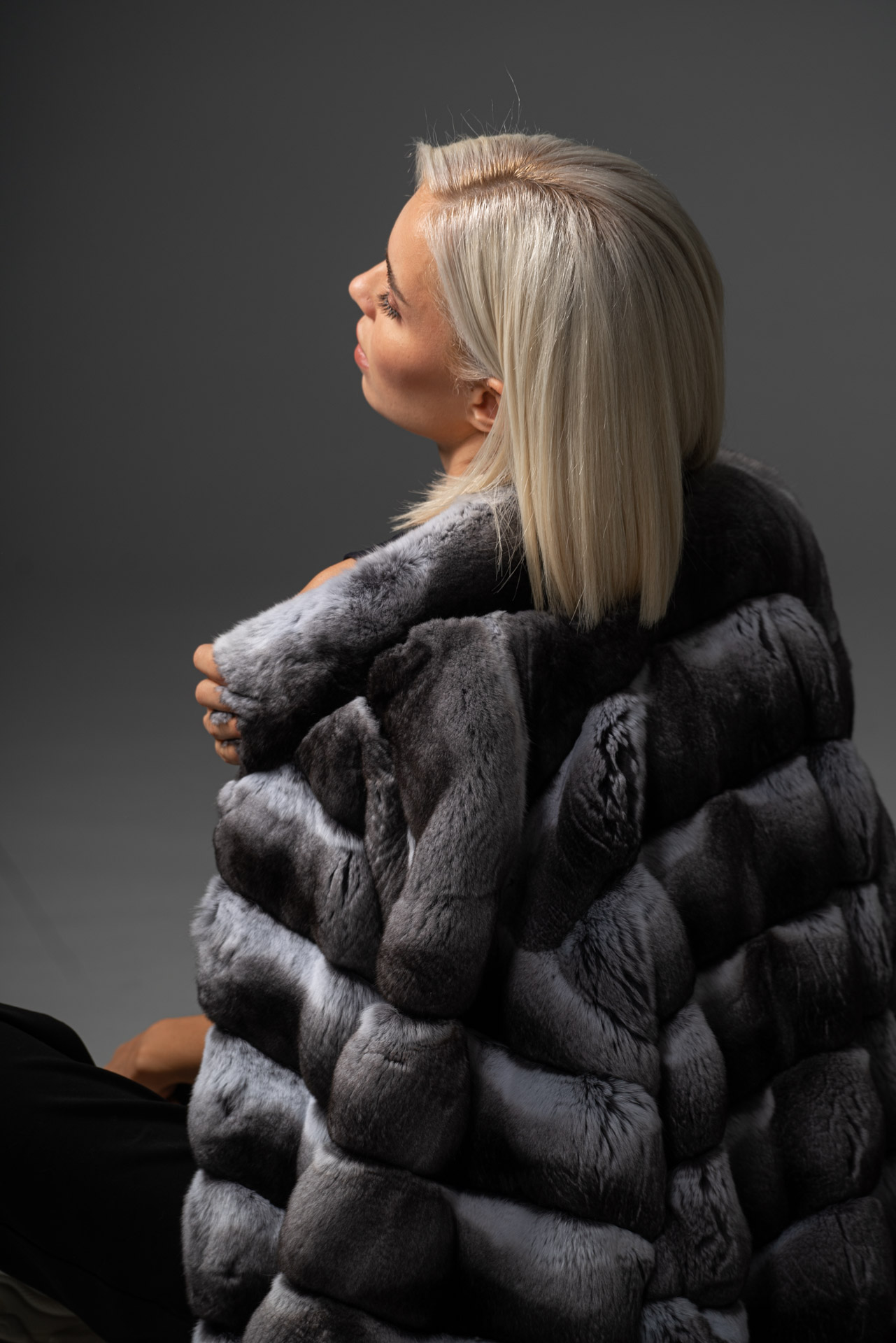
In the previous article, some basic things about chinchillas were mentioned. chinchilla coat requires approximately 100 chinchilla pelts because of the small size of the animal. They are uncommon, and breeding them is fairly challenging. Therefore, chinchilla fur coats are expensive since they cost a lot of money to produce. Additionally, some craftsmen may use 200 chinchillas to create one coat. They are expensive and have the best value because of this. Chinchillas are rare, and their breeding habits are intricate. A female chinchilla can give birth to a maximum of three young during each of her lone annual reproductive cycles. It calls for a lot.
No possibility of allergies
All other animals except chinchillas have hair that is the densest. They are parasite and pest-free. They are therefore ideal for those who are prone to allergies. They are ideal for infants and anyone with delicate skin.
They Provide Comfort and Heat
Out of all the fur types on the market, chinchilla fur coats are the warmest. They provide enough warmth to shield people from harsh winter weather. People find them comfortable to carry around because they have the softest texture and are lightweight.
The design
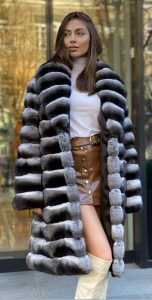
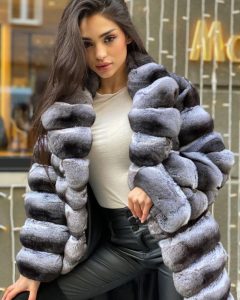
You must be aware by this point that chinchilla fur coats are valuable, but are they stylish? They are, of course. A chinchilla fur coat can be identified by its grayish tones with white and black highlights. Although they are well recognized for their greyish texture, they can have a brownish color. These fur coats are quite distinctive. It is available in a variety of styles that will make you appear to be a million-dollar celebrity. Look at Floyd Mayweather in the photo below; he looked sharp in our chinchilla coat. This coat is the ideal illustration of an investment that makes a statement.
The Best Chinchilla Fur Coat: A Guide
It’s crucial to decide the coat style you want before comparing prices if you’re trying to get a chinchilla fur coat. Finding the chinchilla fur pattern that would suit you best may require a lot of time and research. You also need to choose between different patterns, lengths, and styles. For both men and women, there are various cuts available, including full, half, and shorter-length coats. You might prefer to get a stroller, duster, bomber, jacket, or wrap rather than a vest according to your gender. Additionally, you could search for other accessories that go with your fur coat, such as muffs, shawls, handbags, and stoles.
Additionally, some fur jackets have fur inside or on the collar and trim. Depending on the place from which the fur was removed, there are various patterns. But between the light and dark hues, chinchillas typically have a striped or ribbed pattern. Additionally, it has a range of options to choose from for lapels, hems, sleeves, and closures like buttons or buckles. Another justification for why it is preferable to shop in person or visit an actual store is to try on various coats.

Final Thoughts on Chinchilla Fur Coats
Chinchilla coats stand in a category of their own, defined by rarity, exceptional softness, and unmistakable visual depth. From their hypoallergenic qualities and incredible warmth to their lightweight feel and refined patterns, every detail speaks to elevated craftsmanship and exclusivity. Choosing the right style takes time, but when done thoughtfully, a chinchilla coat becomes more than an outer layer, it becomes a statement of confidence and long-term value. For those drawn to the highest expressions of luxury, exploring exceptional Real Fur Coats is the first step toward investing in pieces that truly stand apart.
FAQs About Chinchilla Fur Coats
1. Is chinchilla fur durable compared to other types of fur?
Chinchilla fur is softer and more delicate than most other furs, which makes it less durable for heavy or frequent use.
2. Can a chinchilla coat be altered after purchase?
Alterations are possible but limited, due to the fragility of the fur. Any changes should only be done by experienced fur specialists.
3. Is chinchilla fur suitable for wet or snowy climates?
No. Chinchilla fur is highly sensitive to moisture and should not be exposed to rain or snow.
4. Does chinchilla fur lose its texture over time?
If not properly stored and maintained, the fur can lose its softness and volume. Correct care helps preserve its original texture.
5. Are vintage chinchilla coats a good option?
Yes, provided they are well preserved and professionally stored. Vintage chinchilla coats can still hold significant value.
6. How can someone verify the quality of a chinchilla coat before buying?
Quality is assessed by the density of the fur, the uniformity of the natural striping, and the overall craftsmanship of the coat.